| TYPE: | Industry |
|---|---|
| CO₂ Reduction p.a: | 2,854 kg |
| Installed solar capacity: | 925 kWp |
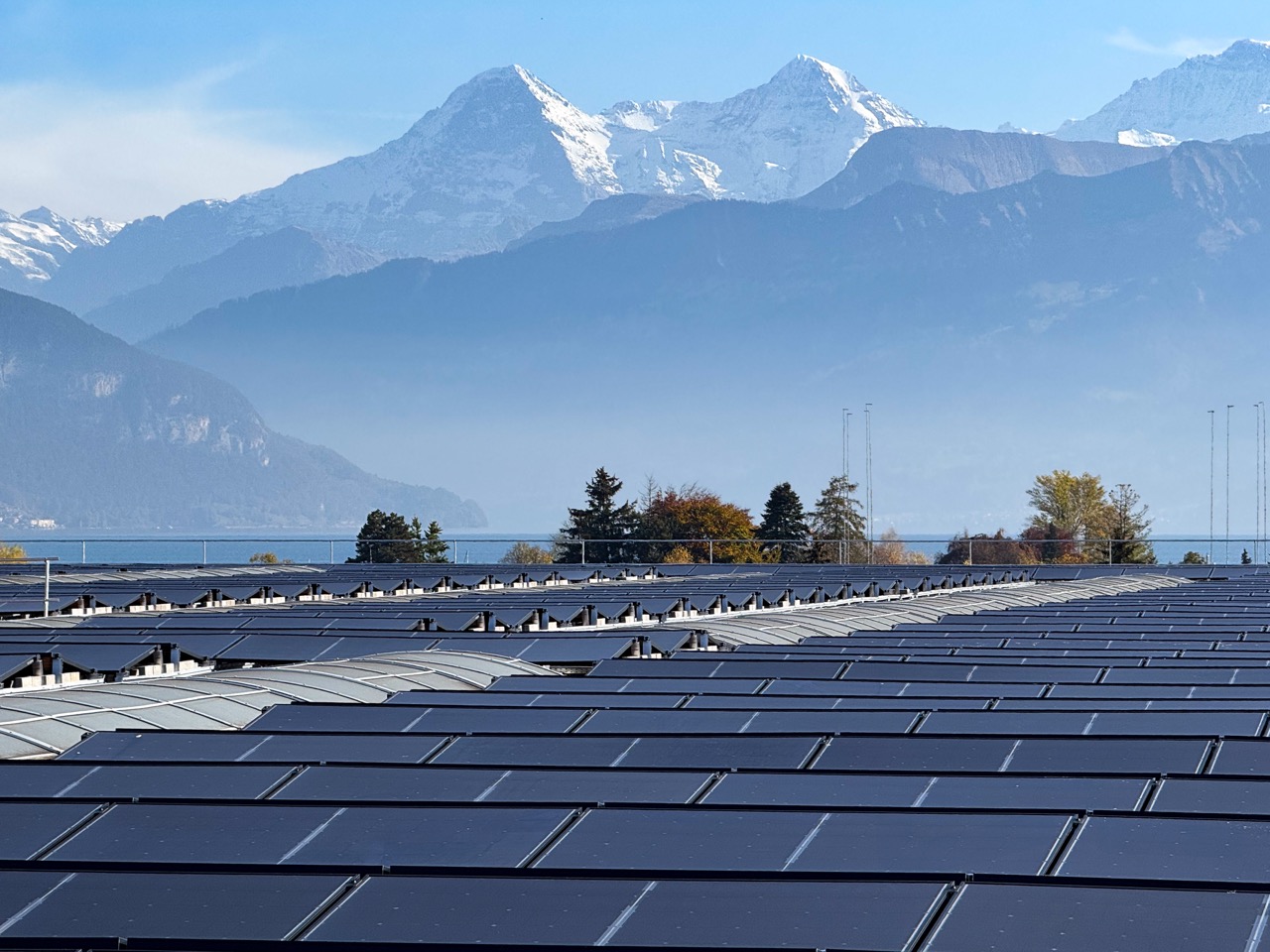
K.R. Pfiffner AG, a Swiss machine manufacturer with high energy consumption, has opted for a photovoltaic system to significantly reduce its ecological footprint. This step improves sustainability, reduces dependence on fossil fuels and strengthens energy resilience.
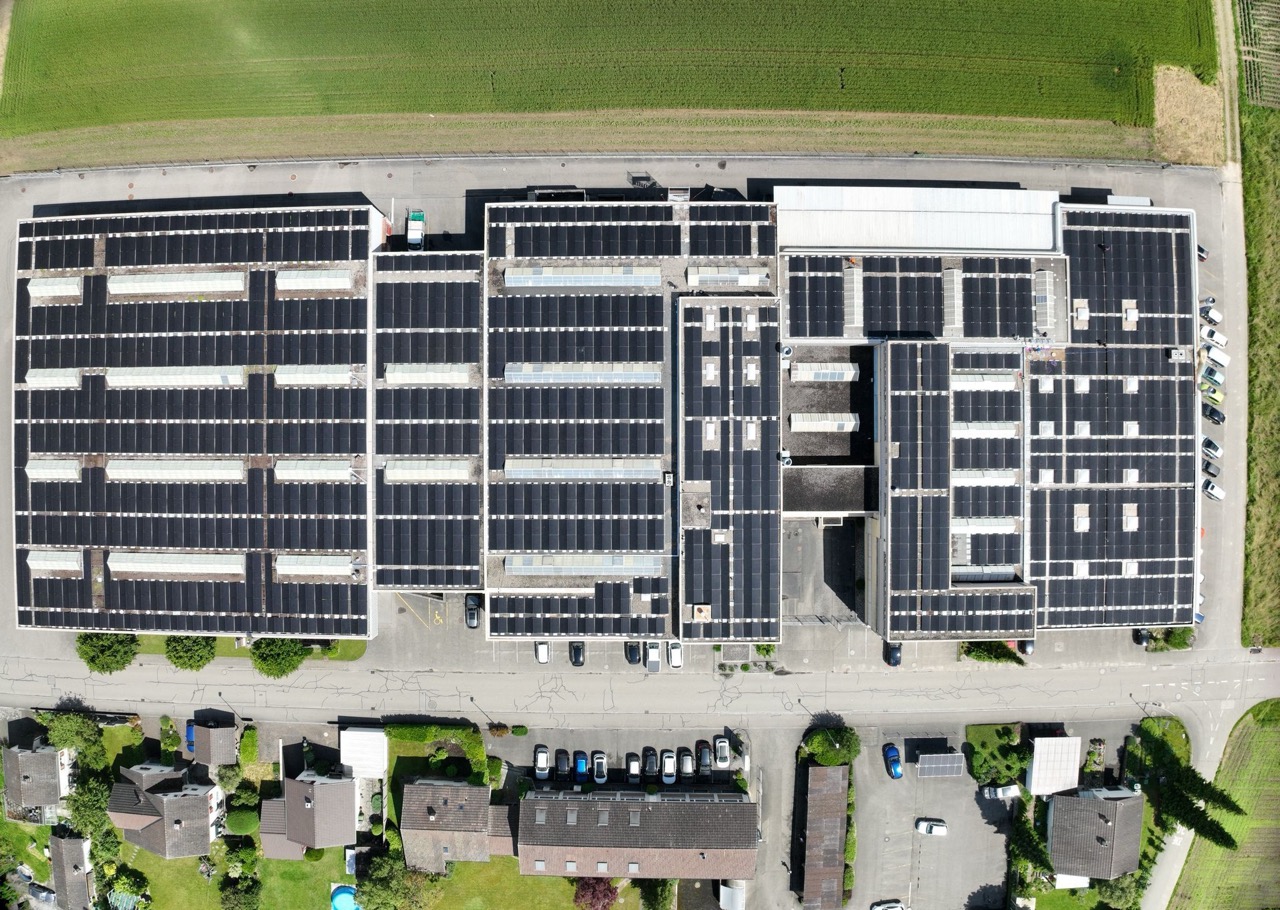
The specific aim of this project is to make over 60% of Pfiffner’s solar power production available for production. Pfiffner benefits from an electricity price reduction of +60% and can thus significantly reduce its costs. The project was completed in a record time of 4 months from signing the contract to commissioning. In total, 2854 kg of CO2 emissions will be eliminated from Pfiffner’s carbon footprint each year for the next 25 years.
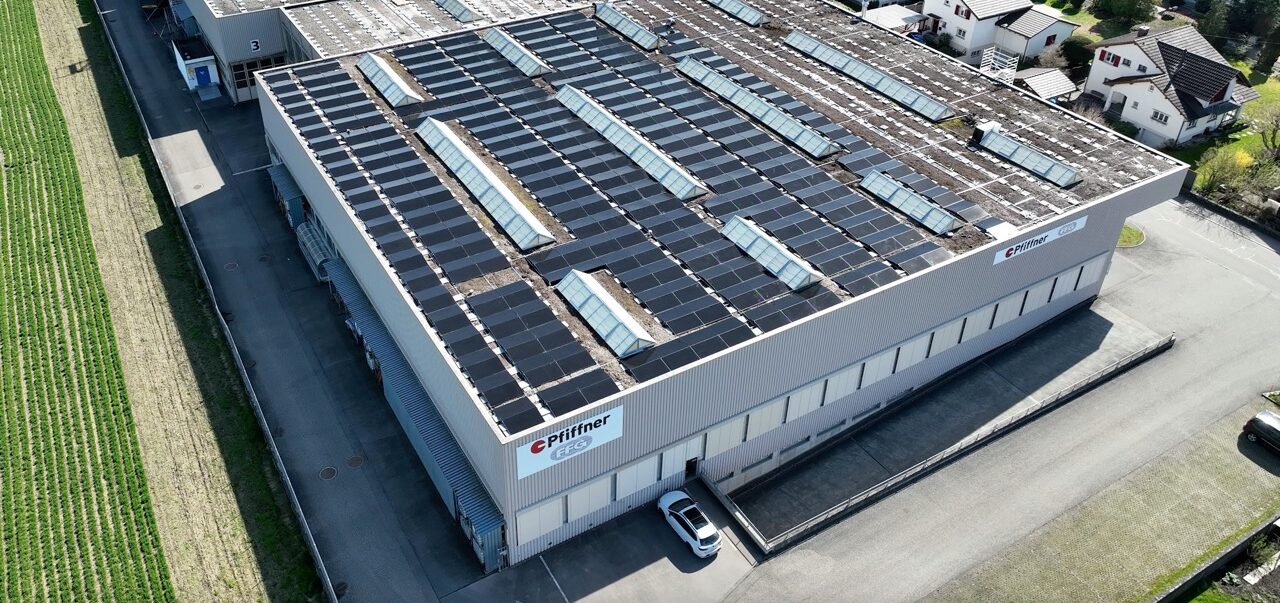

Despite the scale of the project, Pfiffner’s commitment to sustainability knows no bounds, as demonstrated by the rapid realisation of the project in a record time of just four months from contract signing to commissioning.
The impact of Pfiffner’s solar initiative goes far beyond its immediate business operations: an estimated 2,854 kg of CO2 emissions will be eliminated from the company’s carbon footprint each year over the next quarter of a century.
The reversible heat pumps provide sustainable heating in winter and cooling in summer – independent of outside temperatures
Helvetica benefits from state-of-the-art technology and cost savings without needing to invest its own capital
Combining with a powerful PV system enables the use of self-produced solar energy, increasing self-consumption and economic viability
In addition to reducing operating costs and CO₂ emissions, the solution improves the property’s energy rating, increases marketability, and reduces long-term vacancy risk

Thanks to enshift’s PLUS model and data-driven, interdisciplinary planning, we reduced investment requirements by 25-40 % compared to conventional approaches. Our high implementation volumes, direct sourcing, and coordinated delivery eliminated risk and complexity — enabling Helvetica to maintain liquidity, preserve financial flexibility, and accelerate execution allowing operating capital to remain focused on the core business.
The overall cost saving of 23.2% in the Helvetica Buschs project results in noticeably lower energy costs for tenants while simultaneously enhancing the property’s attractiveness and competitiveness on the market. This contributes not only to a sustainable increase in property value but also to a future-proof and competitive positioning.
Through the implementation of integrated energy efficiency measures, the building’s performance was significantly improved—resulting in an upgrade of its energy classification from F to B. This enhancement supports compliance with evolving regulatory standards and contributes to the asset’s long-term ESG alignment.
Through the implementation of integrated energy efficiency measures, the building’s performance was significantly improved—resulting in an upgrade of its energy classification from F to B. This enhancement supports compliance with evolving regulatory standards and contributes to the asset’s long-term ESG alignment.
The overall cost saving of 23.2% in the Helvetica Buschs project results in noticeably lower energy costs for tenants while simultaneously enhancing the property’s attractiveness and competitiveness on the market. This contributes not only to a sustainable increase in property value but also to a future-proof and competitive positioning.
With more than 59% of annual electricity needs met by the solar system, the building benefits from enhanced energy self-sufficiency and long-term cost control. This significantly reduces exposure to market fluctuations, making the property more resilient and future-ready.


Across every project, we track carbon savings in terms people understand—from avoided air travel to trees and certificate value. These values show just how impactful a targeted energy retrofit can be.
Thanks to enshift’s PLUS model and data-driven, interdisciplinary planning, we reduced investment requirements by 25-40 % compared to conventional approaches. Our high implementation volumes, direct sourcing, and coordinated delivery eliminated risk and complexity — enabling Helvetica to maintain liquidity, preserve financial flexibility, and accelerate execution allowing operating capital to remain focused on the core business.
The overall cost saving of 23.2% in the Helvetica Buschs project results in noticeably lower energy costs for tenants while simultaneously enhancing the property’s attractiveness and competitiveness on the market. This contributes not only to a sustainable increase in property value but also to a future-proof and competitive positioning.
Through the implementation of integrated energy efficiency measures, the building’s performance was significantly improved—resulting in an upgrade of its energy classification from F to B. This enhancement supports compliance with evolving regulatory standards and contributes to the asset’s long-term ESG alignment.
Through the implementation of integrated energy efficiency measures, the building’s performance was significantly improved—resulting in an upgrade of its energy classification from F to B. This enhancement supports compliance with evolving regulatory standards and contributes to the asset’s long-term ESG alignment.
Through the implementation of integrated energy efficiency measures, the building’s performance was significantly improved—resulting in an upgrade of its energy classification from F to B. This enhancement supports compliance with evolving regulatory standards and contributes to the asset’s long-term ESG alignment.
Through the implementation of integrated energy efficiency measures, the building’s performance was significantly improved—resulting in an upgrade of its energy classification from F to B. This enhancement supports compliance with evolving regulatory standards and contributes to the asset’s long-term ESG alignment.
The overall cost saving of 23.2% in the Helvetica Buschs project results in noticeably lower energy costs for tenants while simultaneously enhancing the property’s attractiveness and competitiveness on the market. This contributes not only to a sustainable increase in property value but also to a future-proof and competitive positioning.
With more than 59% of annual electricity needs met by the solar system, the building benefits from enhanced energy self-sufficiency and long-term cost control. This significantly reduces exposure to market fluctuations, making the property more resilient and future-ready.
Across every project, we track carbon savings in terms people understand—from avoided air travel to trees and certificate value. These values show just how impactful a targeted energy retrofit can be.
Discover additional examples of our innovative energy solutions and transformative results.


Our experienced team will gladly answer all your questions and accompany you in transforming your real estate project into an ESG-compliant and more profitable investment.
Book Consultation